
 Home
Home Products
 About Us
 Contact Us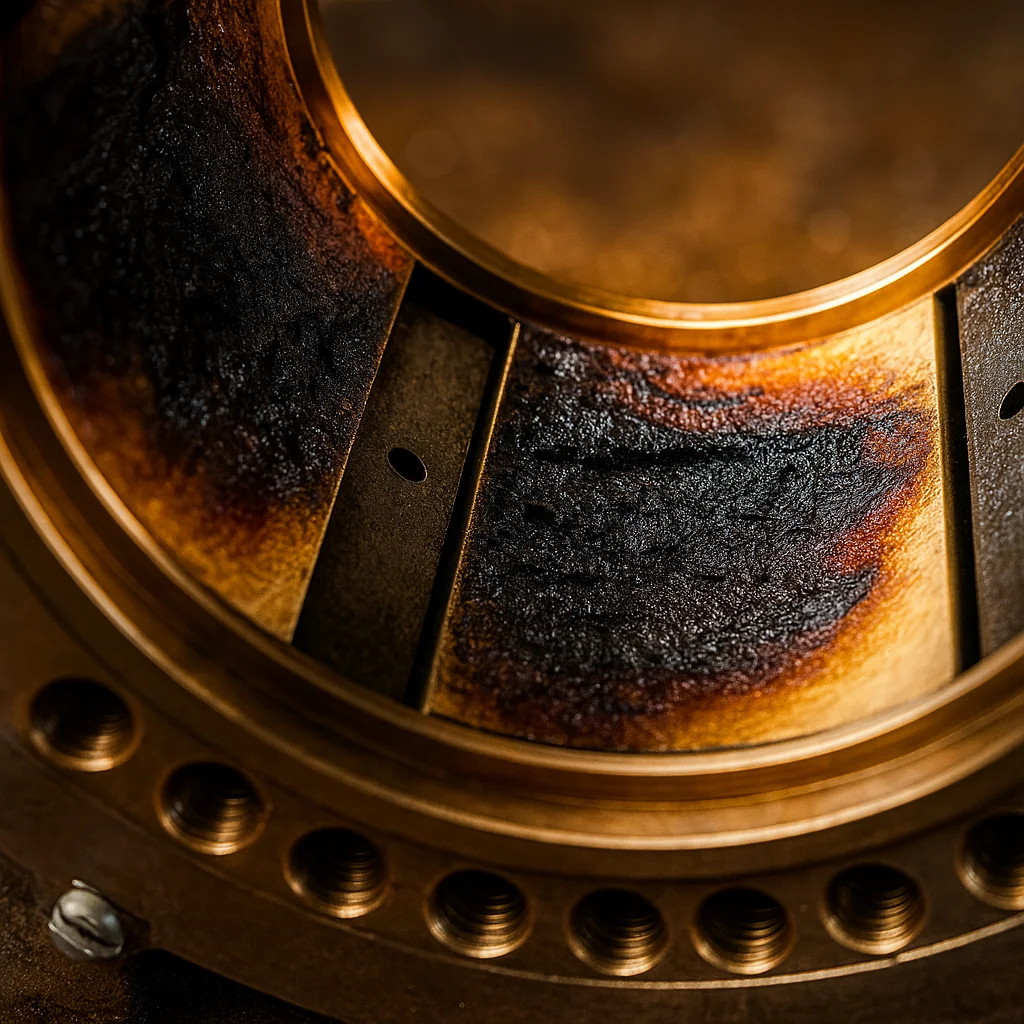
Abstract
Varnish Formation in lubricating systems has emerged as a significant reliability threat in modern machinery. These chemically complex deposits originate from oil degradation products and form stubborn, resin-like layers on critical surfaces, disrupting operational clearances, impeding heat transfer, and increasing wear. Changes in base oil refining have intensified the phenomenon, heightened thermal and mechanical stresses, and evolved filtration practices. This article reviews the definition and chemistry of varnish, causes of formation, associated operational risks, detection methodologies, and mitigation strategies.
What Is Varnish?
In lubrication engineering, varnish refers to thin, adherent, resin-like coatings that result from the accumulation and polymerization of oil degradation byproducts. These deposits are generally composed of polar compounds—including oxidized hydrocarbons, depleted additives, and sometimes contamination—having limited solubility in the oil phase.
Unlike conventional sludge, varnish layers are often hard, tenacious, and strongly adherent to metals and other surfaces. They tend to form preferentially in cooler zones of the system (reservoirs, coolers, valve housings) or in high-contact surfaces such as bearings. The insulating properties of varnish raise component temperatures, while its sticky nature encourages further capture of contaminants, creating a self-accelerating degradation process.
Causes of Varnish Formation
Varnish formation results from multiple, often overlapping, degradation mechanisms that gradually alter the lubricant’s chemistry, leading to the generation of insoluble residues.
Oxidation: The most common pathway for varnish formation, driven by free radical formation in the presence of oxygen and elevated temperatures. Antioxidants such as phenols and amines sacrificially neutralize these radicals but diminish over time, leaving the oil unprotected. Once antioxidant reserves are exhausted, molecular chain polymerization accelerates, producing dense, insoluble deposits that gradually precipitate from the oil and adhere to metal surfaces.
Thermal Degradation: Occurs when oil is exposed to extreme localized temperatures above 200 °C, generating carbonaceous residues from molecular breakdown. Thermal ‘hot spots’, often found in bearings, seals, or during micro dieseling (implosive collapse of entrained air bubbles), can reach 1000 °C for milliseconds. This intense heat fractures hydrocarbon chains, creating high‑molecular‑weight products that rapidly fall out of solution and deposit in cooler areas of the system.
Want to keep your lubricants performing at their best? Read our full article: Preventing Industrial Oil Degradation – Causes, Effects, and Practical Solutions.
Electrostatic Spark Discharge (ESD): Initiated by static charge accumulation in low-conductivity oils moving through tight‑clearance synthetic or glass‑fiber filters. Discharges can exceed 10,000°C, briefly vaporizing the surrounding fluid and fragmenting oil molecules into reactive radicals. These fragments swiftly oxidize and polymerize, producing varnish precursors that persist in the oil until they settle on cooler components.
Additive Depletion: Protective additives designed to combat wear, oxidation, and rust are consumed in chemical reactions with contaminants and reactive oil by‑products. As these compounds break down, some precipitate directly into the oil as insoluble, while others leave the lubricant vulnerable to accelerated oxidation and thermal stress, hastening varnish formation.
Contamination: Water ingress, airborne debris, and wear metals introduce catalytic surfaces and reactive species that promote varnish-forming reactions. Moisture promotes hydrolysis and oxidation, while fine metallic particles such as copper or iron can accelerate radical formation, pushing the oil toward instability even under nominal temperature conditions.
Shear Stress Deposits: In high-load turbomachinery, extreme fluid shear in tight mechanical clearances generates localized molecular-level heating. This thermal–mechanical stress alters lubricant polarity and promotes the formation of chemically distinct deposits rich in fatty acids. Such shear-induced varnish often appears in regions of high rotational speed and is particularly difficult to remove once polymerized onto surfaces.
Changes in oil base stocks—from Group I to more highly refined Group II/III products—have exacerbated varnish risk. Modern oils have lower polarity, making polar varnish precursors less soluble, thus more prone to precipitate. Additionally, reduced electrical conductivity in these oils increases ESD susceptibility.
The Effects of Varnish Formation
Once the solubility limit of degradation products is exceeded, insoluble particles begin to form and settle on system surfaces. These deposits grow denser over time, producing multiple operational issues that can compound if left unchecked.
Bearing Overheating: Varnish films on journal and thrust bearings act as thermal insulation, trapping heat and preventing efficient cooling through oil flow. The reduced heat dissipation leads to localized hot spots, which in turn accelerate lubricant breakdown and can shorten bearing life drastically, increasing the likelihood of seizure during peak load conditions.
Valve Malfunctions: In servo or directional control valves, varnish accumulates in small clearances and sliding components. Even thin deposits can cause sluggish response, sticking, or erratic movement, which compromises system control and may result in unexpected shutdowns or dangerous overspeed conditions in turbines.
Cooling Inefficiency: When heat exchanger surfaces are coated with varnish, the thermal conductivity between the metal and oil is reduced. This forces the system to operate at higher average temperatures, promoting faster lubricant degradation and increasing wear on temperature-sensitive components. Regular fouling can also raise energy consumption due to reduced cooling efficiency.
Filter Overload: Varnish particles and precursors accumulate in filter media, obstructing flow and shortening service intervals. The increased differential pressure can trigger bypass valve activation, allowing unfiltered oil—laden with varnish precursors—into the system, accelerating further contamination.
Restricted Orifices: Fine lubrication passages and strainers are especially prone to blockage from varnish and soft insoluble matter. Partial or complete blockage reduces oil delivery to critical components, leading to boundary lubrication conditions and subsequent wear or scoring of surfaces.
Catalytic Degradation: Varnish can entrap wear metals such as copper, iron, and lead within its matrix. These trapped particles act as catalysts for additional oxidation reactions, meaning varnish deposits can actively worsen oil quality over time. This creates a self-reinforcing cycle in which deposits promote chemical changes that generate still more varnish.
How to Recognize Varnish
Varnish is chemically and physically elusive in its early stages; common oil analysis tests, such as viscosity measurement or acid number, often detect it only after significant damage has occurred. Therefore, targeted diagnostic methods are essential for identifying varnish formation potential before deposits compromise critical machinery.
Membrane Patch Colorimetry (MPC, ASTM D7843): This method measures the color intensity of precipitates collected on a 0.45 µm membrane after solvent extraction from the oil. Darker patches indicate higher concentrations of insoluble material, with values above 40 considered critical. Because MPC specifically isolates soft contaminants that may be dissolved at operating temperature, it is one of the most reliable ways to gauge varnish risk early.
Ultra‑centrifuge (UC) Tests: By spinning oil samples at extremely high speeds, UC tests concentrate submicron insoluble matter into a visible pellet, which can be assigned a density rating from 0 to 8. Ratings above 4 denote marginal conditions requiring corrective action. This method offers a visual indication of varnish potential and is particularly useful when verifying misleading results from other tests.
Microscopic Particle Counting: This approach identifies soft, submicron contaminant particles that are missed by conventional particle counting methods. Tracking and trending these particles over time enables maintenance teams to detect varnish precursor buildup well before it progresses to sticking or fouling stages.
RULER® Antioxidant Analysis: The Remaining Useful Life Evaluation Routine (RULER®) method accurately measures the depletion of phenolic and aminic antioxidants. A sharp decline in antioxidant levels signals that oxidation reactions are progressing unchecked, making varnish formation significantly more likely if corrective steps are not taken.
Fourier Transform Infrared Spectroscopy (FTIR): FTIR identifies chemical fingerprints of oxidation and nitration by-products in oil samples. Because it can differentiate between types of degradation products, FTIR helps correlate varnish risks to specific operating conditions or contamination events.
Thermal and Vibration Monitoring: This indirect method analyzes shaft vibration and bearing temperature patterns, especially abnormal “sawtooth” temperature profiles. These anomalies often correspond to varnish deposits that restrict oil flow or alter mechanical clearances within rotating machinery.
Effective diagnostics often combine multiple tests to account for varnish’s temperature-dependent solubility and its diverse formation pathways. Using this layered approach significantly increases the likelihood of detecting varnish threats before they develop into costly system failures. Some advantages and disadvantages of these methods are summarized in Table 1.
How to Reduce Varnish Formation
Proactive varnish control focuses on slowing oil degradation and preventing the precipitation of insoluble compounds. Success in this area requires both preventive measures and continuous vigilance across several operational aspects.
Offline Filtration: Continuous fine filtration (≤2 µm) can capture varnish precursors and soft insoluble matter before they agglomerate or settle. Running such systems offline reduces the fluid load on the main filters and allows for higher dirt‑holding capacity, ensuring precursors that escape immediate detection are still removed over time.
Dewatering & Degassing: Removing water and dissolved gases from the lubricant mitigates oxygen ingress and moisture-induced oxidation. Even small quantities of water accelerate hydrolytic and oxidative attacks on oil molecules, while trapped air bubbles can create microdieseling effects, both of which feed the varnish cycle.
Temperature Management: Preventing hotspots and maintaining balanced oil temperatures helps keep oxidation by‑products dissolved, delaying varnish precipitation. A well-controlled temperature profile across bearings, valves, and reservoirs reduces stress on both the lubricant and its additive package, stabilizing the oil chemistry.
ESD Mitigation: Using ESD‑safe filter media and optimizing flow paths prevents damaging electrostatic spark discharges. Without mitigation, sparks generated in low-conductivity oils can fracture hydrocarbon chains and produce varnish precursors at a rapid pace, particularly in high-flux turbine filters.
Oil Chemistry Management: Maintaining chemical stability includes avoiding incompatible oil mixing, tracking antioxidant depletion, and ensuring the base oil’s solubility parameters remain favorable for by-product suspension. An oil formulation matched to system stress levels and operating environment is less prone to varnish onset.
Condition Monitoring: Regular trend analysis using tools such as MPC, UC, antioxidant depletion measurement, and thermal signature tracking allows for early intervention before varnish accumulation reaches critical levels. Continuous monitoring provides actionable data for preventive maintenance and system optimization.
Systems to Reduce Varnish Effects
Once varnish deposits are present, removal requires a gradual and sustained process that targets insoluble degradation products without damaging system components. These approaches aim to shift the varnish equilibrium, dissolving and removing films over time.
Electrostatic Oil Cleaning: This method employs dielectrophoresis to attract and capture naturally polar submicron by‑products from the circulating oil. By continuously removing these species, the system destabilizes varnish deposits and encourages them to dissolve back into the oil for eventual capture. Electrostatic cleaning is particularly effective in turbine systems, where slow but steady removal prevents the need for mechanical teardown.
Adsorption Filtration: Using specialized resin-based media, this technique draws varnish molecules and their precursors out of solution through chemical attraction. The media’s selectivity for polar oxidation products ensures minimal impact on desirable lubricant properties. Over time, adsorption units restore system cleanliness and reduce valve sticking by clearing deposits from high-precision surfaces.
Agglomeration & Precooling: By cooling the oil below its normal operating temperature, varnish precursors lose solubility and precipitate out in larger, more easily filtered clusters. This method exploits varnish’s temperature-dependent solubility, making subsequent filtration far more efficient. It is often used as an offline treatment during planned maintenance windows.
Chemical Flushing: Solvent-based flushing uses formulated cleaning agents, sometimes enhanced with solubility boosters, to break down varnish films on metal surfaces. The process is followed by aggressive filtration to remove loosened material before system restart. While highly effective, chemical flushing requires careful compatibility checks with seals, coatings, and lubricants to avoid collateral damage.
Hybrid Systems: These combine multiple removal strategies—such as water removal, adsorption filtration, and fine particulate control—in a single unit. By eliminating oxidation catalysts, such as moisture, while simultaneously capturing varnish byproducts, hybrid systems deliver accelerated cleaning and prevent the reformation of deposits.
Continuous operation of such systems—particularly electrostatic cleaners—has been proven to gradually dissolve varnish films over weeks to months without dismantling machinery. This minimizes downtime, reduces costs, and extends equipment reliability, especially in critical applications like turbines and large compressors.
Conclusion
Varnish formation in lubrication systems is more than just a cosmetic contaminant; it reflects a complex interaction among oil chemistry, operating conditions, and contamination control. Preventing and removing varnish requires a multidisciplinary approach that includes careful lubricant selection, vigilant condition monitoring, targeted filtration technologies, and adjustments to overall system operations. In turbine applications, where the risk of varnish is particularly high, effective varnish management is essential for maintaining performance, preventing costly outages, and extending the life of both the lubricant and the equipment.
Curious about how frictional forces turn into heat and impact lubrication performance? Explore our detailed guide: Viscous Heating: Mechanisms, Effects, and Applications.
FAQ – Varnish in Lubricating Systems
Varnish is a thin, hard film of oil degradation residues that adheres to metal and component surfaces, impacting performance and reliability.
It restricts clearances, traps heat, causes sticking in valves, and accelerates wear, leading to unplanned downtime.
High temperatures, oxidation, static discharges, additive depletion, contamination, and extreme shear stresses.
By specialized oil tests like Membrane Patch Colorimetry, antioxidant analysis, FTIR, and ultra‑centrifuge inspections.
No. Thermal degradation, electrostatic sparks, water ingress, and mechanical stress also contribute.
Maintain stable temperatures, remove moisture and gases, use ESD‑safe filtration, and monitor lubricant condition regularly.
Yes. Continuous electrostatic cleaning, adsorption filtration, or hybrid systems can gradually dissolve and remove deposits.
They have lower polarity and conductivity, making degradation products less soluble and increasing static discharge potential.
no comment