 Home
Home Products
 About Us
 Contact Us
industrial Steel stretching oil
What is Steel Drawing Oil?
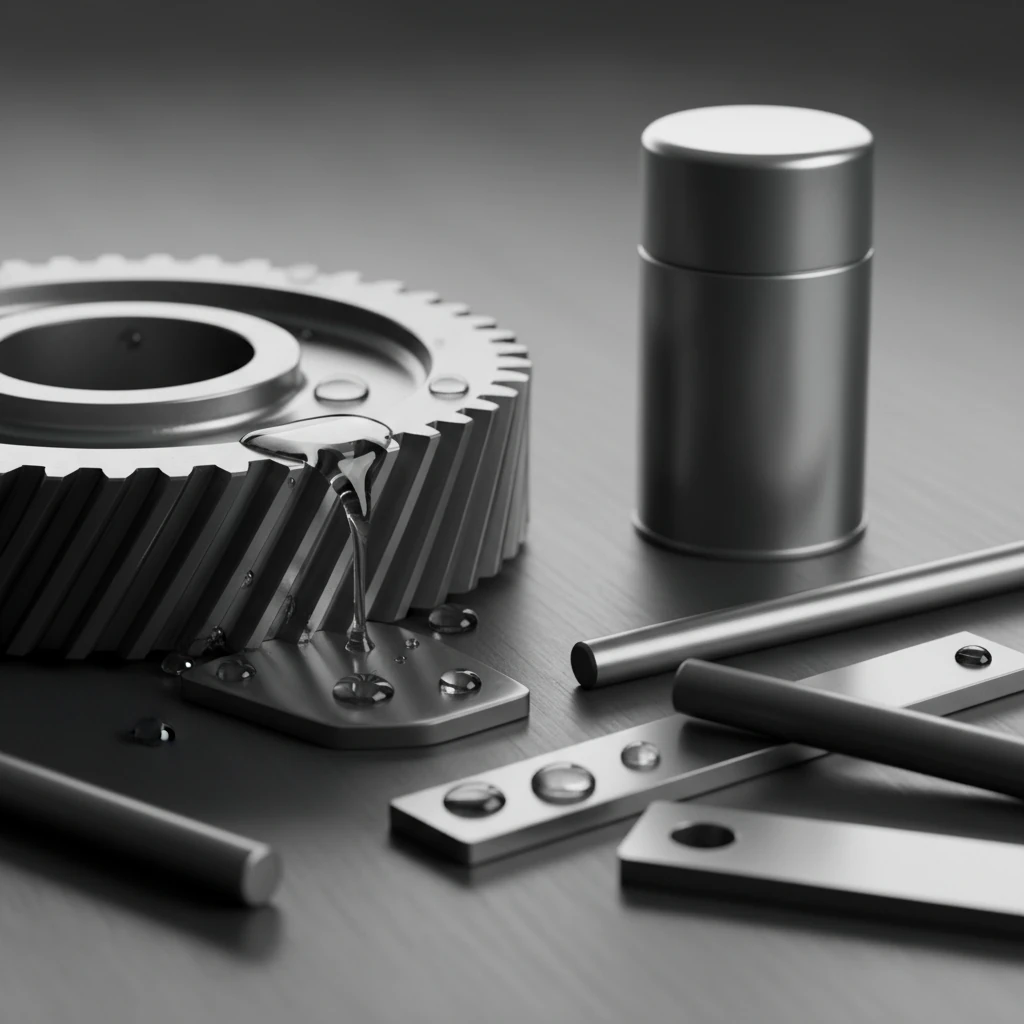
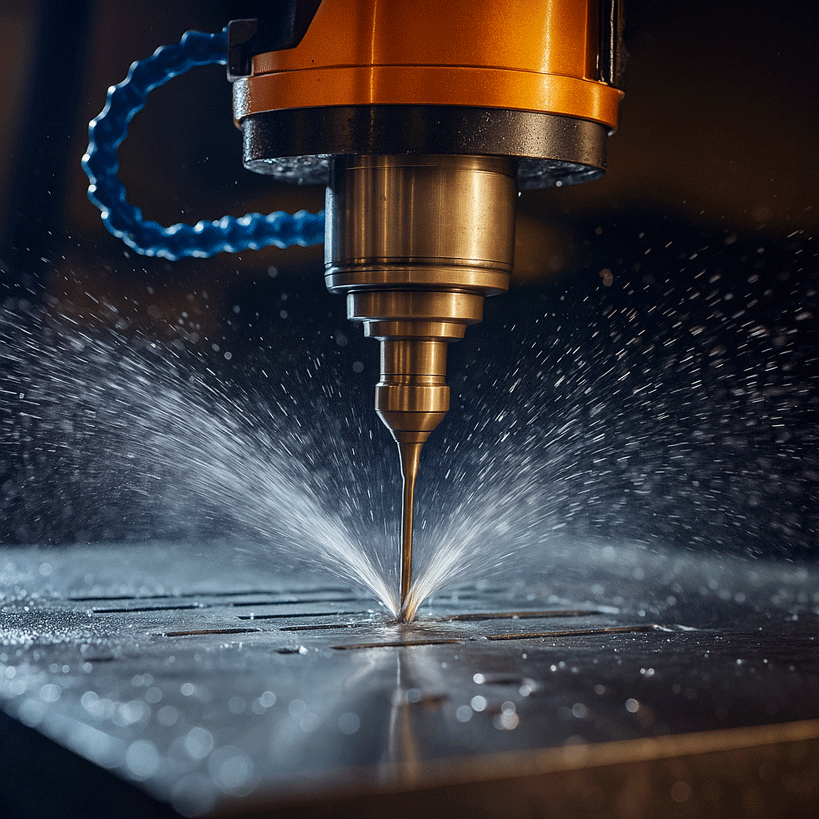
Steel drawing oil is a type of industrial lubricant designed to reduce friction and wear during metal cold forming processes. This lubricant creates a thin layer between the metal surface and the tool, preventing damage, tearing, and adhesion. Steel drawing oil is usually made from a combination of base oils (mineral or synthetic) and special additives. These additives are included to improve lubricity, anti-wear, anti-corrosion, and anti-oxidation properties. Eriss Kimia Pars Company offers steel drawing oil in two grades: pure and soluble. It is suitable for use in the drawing process of steel pipes, wires, and rods.
Key Components of Steel Drawing Oil:
– Base oil: Mineral and synthetic oils with suitable viscosity
– Lubricity additives: Fatty esters, polymers
– Anti-wear additives: Phosphorus and sulfur compounds
– Anti-corrosion additives: Corrosion inhibitors
– Anti-oxidation and anti-foam additives
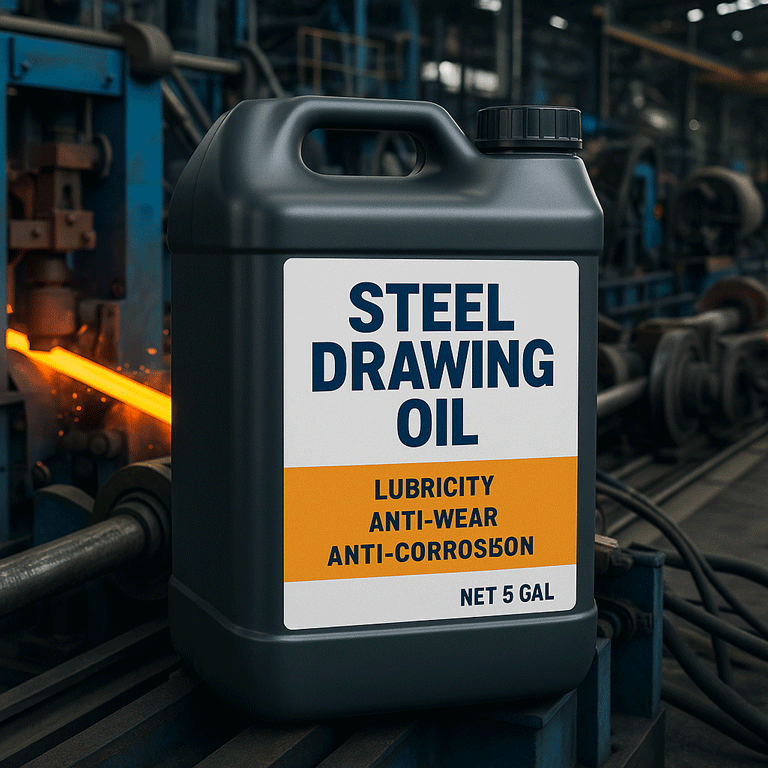
Main Applications of Steel Drawing Oil:
industrial steel streching oil is widely used in various industries for metal forming processes. Here are some of its most important applications:
– Deep drawing: In this process, used to produce three-dimensional parts from sheet metal, steel drawing oil prevents tearing and wrinkling of the metal and facilitates the process. (Examples: manufacturing auto body parts, sinks, metal containers)
– Wire drawing: For reducing the diameter of metal wires, steel drawing oil prevents excessive heating and tool wear, resulting in high-quality wire production.
– Extrusion: In this process, metal is forced through a die under pressure. Steel drawing oil helps reduce the required force and improves product surface quality. (Examples: producing seamless steel pipes, steel profiles)
– Rolling: In the rolling process used to reduce the thickness of metals, steel drawing oil prevents wear on the rolls and damage to the metal surface.
– Forging: In metal forming processes involving impact and pressure, steel drawing oil lubricates the process and prevents the piece from sticking to the die.
Advantages of Using Steel Drawing Oil:
The use of industrial steel streching oil brings significant benefits, including:
– Reducing friction and wear: This increases the lifespan of tools (dies and plates) and reduces energy consumption.
– Preventing tearing and cracking of metal: By uniformly distributing pressure, it prevents metal damage during the process.
– Improving surface quality of parts: By reducing friction, it results in a smooth and polished final surface.
– Reducing process temperature: It assists in heat transfer and prevents overheating of the workpiece and tools.
– Increasing production speed and efficiency: By facilitating the forming process, production speed and efficiency are increased.
– Achieving the best surface roughness (Ra): Surface roughness (Ra) is a measure of the deviations on a textured surface. The lower these deviations, the lower the surface roughness. The use of Eriss drawing oil achieves very low roughness in steel pipe production.
Important Features of Steel Drawing Oil:
1. Viscosity:
– Definition: Viscosity refers to the fluid’s resistance to flow. Steel drawing oil should have suitable viscosity to cover the entire surface without dripping, and must maintain stability under high pressure and temperature.
– Effect on process: Proper viscosity reduces friction, improves lubrication, and lessens the risk of tearing.
2. Lubricity:
– Definition: industrial steel streching oil must have excellent lubricating properties to minimize friction between the metal and the tool.
– Effect on process: Good lubricity reduces tool wear, energy consumption, and heat generation, while improving surface quality.
3. Thermal and oxidation stability:
– Definition: industrial steel streching oil resist heat and oxidation to maintain its properties under harsh conditions.
– Effect on process: Good thermal stability prevents oil degradation, increases in oil acidity, and deposit formation, thereby extending its service life.
4. Anti-wear and anti-corrosion properties:
– Definition: industrial steel streching oil should prevent wear and corrosion of the machine’s tools and metal parts.
– Effect on process: Anti-wear and anti-corrosion properties extend the life of dies and plates and prevent damage to parts.
5. Anti-foam property:
– Definition:industrial steel streching oil should have anti-foaming properties to prevent foam formation during the process.
– Effect on process: Foam formation can reduce process efficiency and cause damage to equipment.
6. Toxicity and environmental effects:
– Definition: industrial steel streching oil should have minimal toxicity and environmental impact.
– Effect on process: Selecting environmentally friendly oils helps protect employees’ health and the environment.
7. Filtration ability:
– Definition: industrial steel streching oil must be easily filtered to remove contaminants and suspended particles.
– Effect on process: Proper filtration increases oil life and improves process quality.
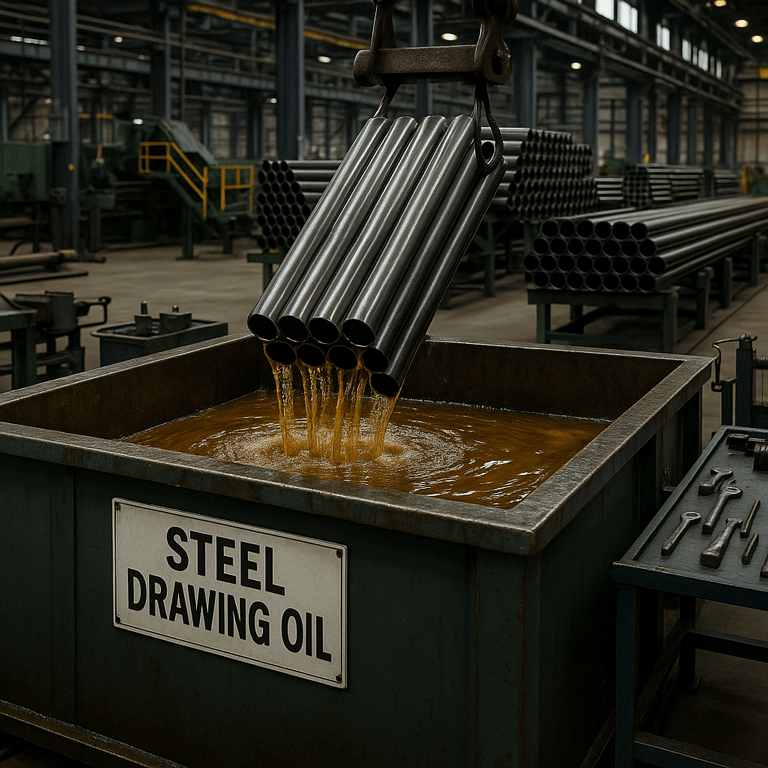
Proper Methods for Using Steel Drawing Oil:
1. Choosing the right oil:
– Definition: The selection should be based on process type, metal type, speed, working pressure, and other specific conditions.
– Importance: Using the wrong oil can lower product quality, damage tools, and reduce process efficiency.
2. Surface preparation:
– Definition: Before applying the oil, the workpiece surface must be completely clean, free of contaminants, rust, and moisture.
– Importance: Contaminants can prevent the oil from creating a uniform protective film, reducing its effectiveness.
3. Application method:
– Definition: industrial steel streching oil should be applied evenly and with appropriate thickness to the metal surface. Application methods include immersion, spraying, brushing, and rolling.
– Importance: Appropriate application ensures full surface coverage and prevents excessive oil buildup.
4. Temperature and pressure control:
– Definition: Process temperature and pressure must be set within the recommended range for the chosen oil.
– Importance: Incorrect temperature and pressure can destroy the oil, reduce its efficiency, and damage both the tool and workpiece.
Storage Conditions:
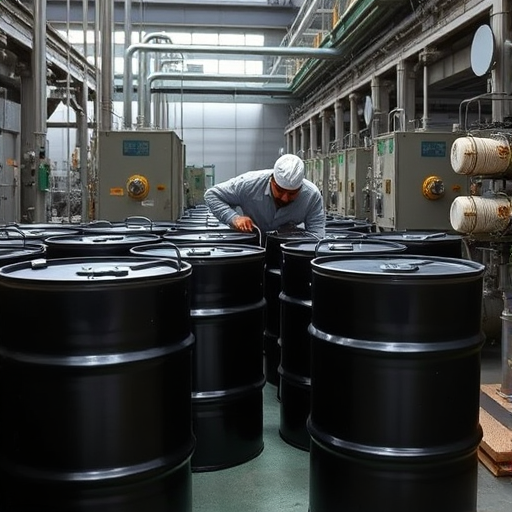
Store in a covered location, with closed lids, at normal temperature for at least one year.
Packaging:
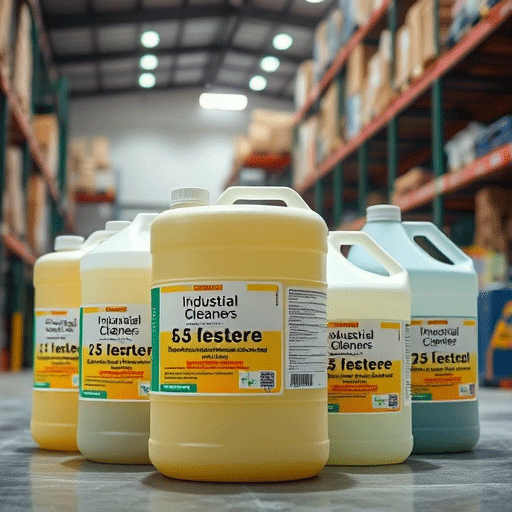
Supplied in standard 208-liter metal drums and standard 1000-liter tanks.
Steel drawing oil is a vital component in metal forming processes, playing an important role in cost reduction, increased efficiency, and improved product quality. By selecting and correctly using the appropriate steel drawing oil, optimal production results can be achieved. Wherever the industry uses phosphatizing and drawing soap for cold forming of steel parts, this drawing oil can
be a replacement. The drawing oil produced by Eriss Kimia Pars Company performs as well as, or even better than, BASF oil from the USA.