 Home
Home Products
 About Us
 Contact Us
Evaporative Cutting Blade Oil

Cutting process
Cutting is an essential aspect of the industry. There are various types of cutting blades used in different conditions. A cutting blade is part of a tool or machine used to crush or cut a piece. Cutting blades are critical in the industry and require close attention to detail and quality. Today, these blades are primarily made of metal or ceramic to ensure durability for long-term use in various applications. Cutting blades are used in numerous industrial and commercial processes, such as cutting film/metal/foil/paper, medical procedures, and many others.
Lubrication and its importance in the cutting process
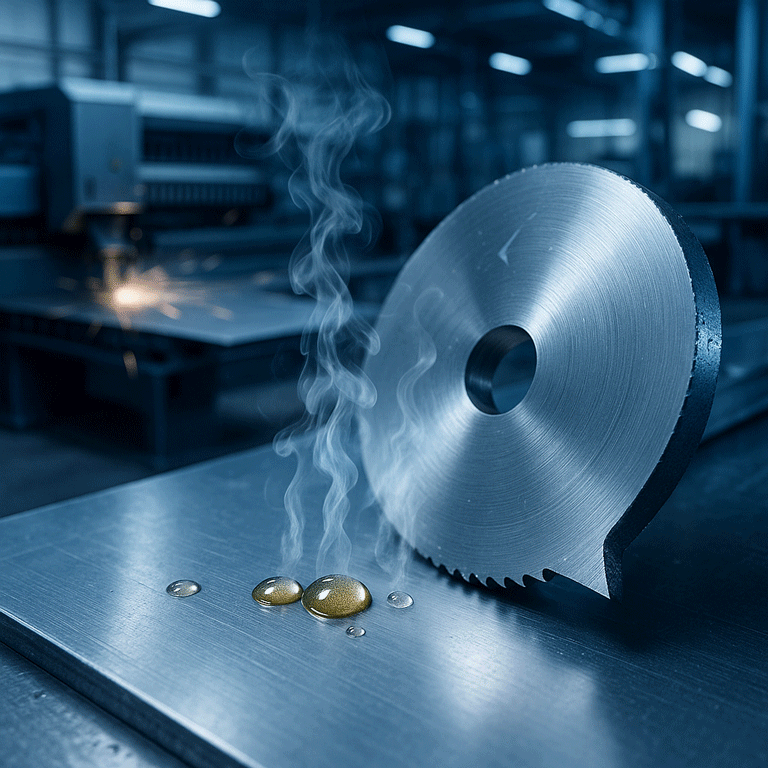
Using the appropriate lubricant is crucial to maximize the performance and lifespan of cutting blades. Proper lubrication can reduce friction between the blades and the metal, minimize blade wear, prevent premature dulling of the cutting blade, and improve cutting accuracy. At the same time, lubrication can extend the lifespan of the equipment and reduce maintenance costs. To ensure the protection of the blade, the key characteristics of the lubricant, such as viscosity, temperature stability, and anti-wear properties, must be evaluated. Choosing an appropriate lubricant for cutting blades primarily depends on the blade material, cutting frequency, and environmental conditions.
Each synthetic, mineral, and vegetable oils offer specific advantages for the cutting process. Synthetic lubricants provide excellent thermal stability and longer lifespan, making them suitable for high-speed cutting operations. These lubricants are engineered to maintain viscosity under extreme conditions and resist oxidation, which is particularly effective in environments with significant temperature fluctuations. In moderate applications, mineral-based lubricants that provide sufficient film strength typically perform well. In humid environments, water-resistant formulations with corrosion inhibitors are appropriate. The benefits of natural (vegetable) lubricants include biodegradability and reduced environmental impact. Vegetable oils have excellent adhesion to metal surfaces and can provide suitable lubrication for low to medium-speed applications.
Viscosity, Temperature, and Blade Performance
To achieve maximum efficiency, it is essential to match the lubricant’s viscosity grade with the blade’s operating speed and ambient temperature range. Temperature significantly affects the viscosity of the cutting lubricant; higher temperatures thin the oil film, while lower temperatures increase resistance to flow.
Understanding the relationship between heat generation and viscosity changes helps maximize blade life and maintain consistent cutting performance in cutting equipment. The heat generated from friction during the cutting operation significantly impacts the viscosity and performance of the lubricant. As temperature increases, the lubricant’s viscosity decreases, potentially compromising the protective layer between blade surfaces. This heat generation, if not properly managed, can lead to rapid wear.
Evaporative Cutting Blade Oil
Evaporative cutting blade oil is a pure oil with high efficiency, designed and produced for cutting operations of sheets with ferrous and non-ferrous alloys. The unique formulation of this oil allows for quick and complete evaporation, as well as preventing deposits and clogging in industrial systems.
Benefits of Evaporative Cutting Blade Oil
Evaporative cutting blade oil offers numerous advantages, making it an ideal choice for various applications. Here are some key benefits of this oil:
– High Lubrication Property: Despite its quick evaporation, evaporative cutting blade oil provides high lubrication, reducing friction between parts and preventing their wear and corrosion.
– Quick and Complete Evaporation: One of the most important advantages is its quick and complete evaporation, which eliminates any residue from surfaces and ensures efficient heat transfer.
– Prevention of Rust and Corrosion: Its specific formulation prevents rust and corrosion of parts and equipment, extending their lifespan and reducing the need for repairs and replacements.
– Cooling and Cleaning Properties: In addition to lubrication, it also offers cooling and cleaning properties, helping dissipate heat and keeping parts clean from contaminants during the pressing process.
– High Safety: Formulated with low toxicity and environmentally friendly properties, it ensures a safe working environment.
– Cleanliness: Keeps machinery clean by eliminating contaminants, thereby minimizing maintenance and breakdown.
Applications of Evaporative Cutting Blade Oil
– Radiator Manufacturing Industries: Widely used in manufacturing automotive radiators and other devices for blade cutting operations, ensuring no soot and greasy residue remains on the blades, enhancing radiator performance.
– Metal Industries: Used in processes like punching, drawing, cutting, and other metal forming operations as a lubricant to reduce part friction and prevent wear and corrosion. Quick evaporation prevents oil accumulation on parts, reducing the need for cleaning.
Other Industries:
– Electronics Industry: evaporating cutting blade oil is used in the production of electronic components that require high precision and a clean surface.
– Textile Industry: This oil is used in some textile processes that require a lubricant with rapid evaporation properties.
– Plastics Industry: Evaporating cutting blade oil is used in the production of plastic parts that need a lubricant to prevent mold adhesion.
Eriss Kimia Pars Company relies on the technical knowledge of its specialists and the use of high quality raw materials to provide you with the quality products needed in the oil industry. For more information about our products, you can visit the company’s website or contact our experts.

To maximize the shelf life, maintain the quality, and ensure the effectiveness of evaporative cutting blade oil, proper storage practices are essential. This oil is engineered with specific properties that can be affected by environmental conditions, improper handling, or contamination. Below are scientific and practical guidelines for the safe and effective storage of this product:
1. Temperature Control:
Store cutting blade oil in a dry, shaded, and well-ventilated environment. The ideal storage temperature ranges between 5°C to 35°C. Prolonged exposure to extreme heat or freezing temperatures should be avoided, as this can alter the oil’s viscosity, evaporation rate, and chemical stability. Sudden temperature fluctuations may also lead to condensation within storage containers, increasing the risk of contamination.
2. Protection from Contaminants:
Always keep containers tightly closed when not in use. Exposure to dust, moisture, and airborne particles can compromise the oil’s quality and its performance characteristics. If any foreign materials accidentally enter the container, do not return the contaminated oil to the main supply.
3. UV and Light Protection:
Extended exposure to direct sunlight or ultraviolet light can degrade the oil’s chemical structure and reduce its lubricating and evaporative properties. Store containers away from windows or direct light sources, preferably in opaque or clearly labeled drums.
4. Container Material:
Use original packaging or containers made from materials compatible with petroleum products—preferably high-density polyethylene (HDPE) or metal drums with anti-corrosive lining. Ensure all storage vessels are clean, dry, and free from residues prior to filling.
5. Labeling and Dating:
Clearly label all containers with the product name, batch number, and date of receipt. Implement a first-in, first-out (FIFO) system to use older stocks before newer ones, helping to prevent excessive aging of the oil.
6. Safety Practices:
Store the oil away from strong acids, bases, oxidizers, and sources of ignition. The storage area should have appropriate spill containment and fire prevention measures. Equip staff with suitable personal protective equipment (PPE) during handling.
By following these comprehensive storage guidelines, consumers can preserve the quality, safety, and efficiency of evaporative cutting blade oil, ensuring optimal performance each time it is used.