
 Home
Home Products
 About Us
 Contact Us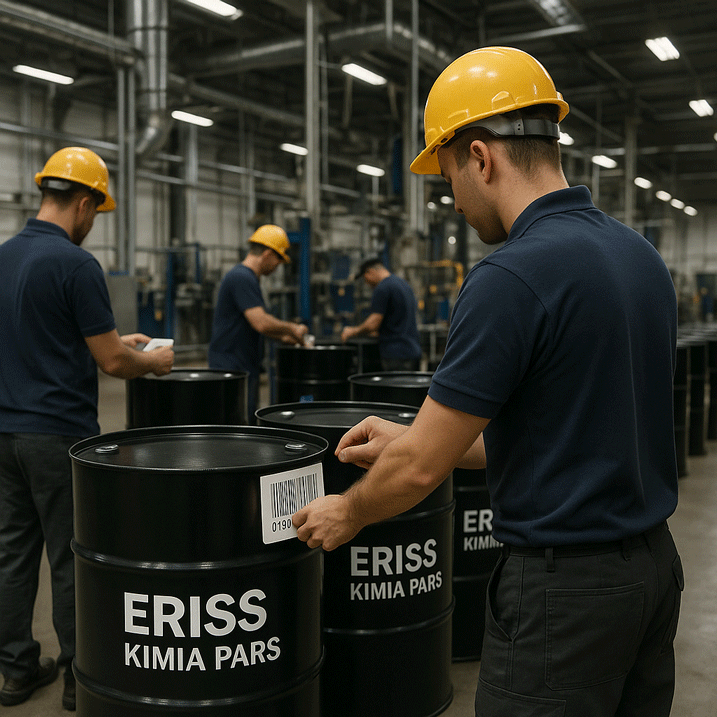
Introduction: The Strategic Role of Lubricant Efficiency Optimization
In today’s dynamic industrial environment, lubricant efficiency optimization is a core strategy for asset management and sustainability. Proper lubricant management goes beyond ordinary maintenance, as achieving lubricant efficiency optimization impacts equipment reliability, reduces energy consumption, minimizes downtime, controls operational costs, and enhances environmental responsibility. Unfortunately, many organizations still rely on outdated approaches, causing avoidable waste and inefficiency. Modern best practices for lubricant efficiency optimization offer a roadmap for sustainable, high-performance operations. This article outlines proven strategies for lubricant efficiency optimization and waste reduction in industrial settings
Strategic Lubricant Selection
A successful lubricant efficiency optimization program starts with strategic lubricant selection. Choosing the right lubricant for each application is critical. This process involves thoroughly understanding equipment requirements and referencing OEM specifications, ensuring your lubricant efficiency optimization program is tailored precisely to your equipment’s needs. Collect detailed data on every asset, evaluating function, operating parameters, and unique lubrication demands. Always consult OEM guidelines for recommendations on viscosity, additive packages, and chemical compatibility. Consider environmental and operational factors—like dust, water, temperature extremes, load, and speed—that can influence lubricant performance and are essential to lubricant efficiency optimization. Whenever possible, practice lubricant consolidation to optimize inventory and reduce the risk of waste
Is the environment important to you?
Don’t miss reading this article
Lubricant Consolidation: Streamlining for Lubricant Efficiency Optimization
One of the most effective steps in improving lubrication practices is lubricant consolidation. Organizations often hold excessive lubricant varieties, resulting in higher inventory costs, operational complexity, and increased misapplication risks. Consolidation simplifies processes and minimizes waste. Start with a comprehensive audit of all lubricants currently used. Identify opportunities to switch to multipurpose options that meet several equipment requirements. Collaborate with suppliers and technical experts to ensure the selected products provide robust protection and performance. After consolidation, implement clear labeling and color coding to prevent mix-ups and maintain a streamlined lubrication program
Best Practices in Lubricant Storage and Handling
Proper lubricant storage and handling are non-negotiable for maintaining performance and reliability. Store lubricants in clean, organized, temperature- and moisture-controlled areas. Always keep lubricants in tightly sealed, clearly labeled containers to protect quality. Adopting a first-in, first-out (FIFO) inventory policy prevents product degradation and waste. Stringent cleanliness during handling, transfer, and dispensing is necessary. Use color-coded tools and dedicated filtration systems to minimize contamination risk. Conduct regular area inspections to detect leaks, outdated products, or any factors that can compromise lubricant quality
Condition Monitoring
Traditional scheduled oil changes can lead to changing lubricants that are still fit for use. Embrace condition-based monitoring, allowing oil changes based on real lubricant health. Routine oil analysis is central to any effective lubrication program—check for viscosity, wear metals, contaminants, and oxidation. These measures help you decide exactly when an oil has reached its safe service limit. Investing in oil analysis or partnering with certified labs will yield actionable insights and elevate performance, preventing unnecessary waste and promoting proactive maintenance

Precision Application: Maximizing Lubricant Efficiency Optimization
Precision in application is vital for maximizing lubrication effectiveness. Over-lubrication wastes product and under-lubrication risks failure—both undermine efficiency. Achieving optimal results depends on using automatic lubricators or precision-calibrated manual equipment to deliver the exact lubricant amount needed. Train operators to recognize cues of effective lubrication, such as optimal film formation and noise reduction. Maintain true records of every lubrication activity—date, location, type, and quantity—ensuring consistent performance across all operations
Waste Reduction: Sustainable Lubricant Efficiency Optimization
Sustainable lubrication management involves systematic waste management and recycling. Collect used lubricants in proper containers, completely separated from other wastes, and store them for certified collection or responsible recycling. Whenever possible, on-site filtration or reconditioning extends lubricant life—a valuable tactic in modern maintenance practices. Actively reduce waste by repairing leaks and optimizing application to prevent needless loss, which directly elevates overall efficiency
Leveraging Technology for Lubricant Efficiency Optimization
Modern lubrication management is powered by technology. Use digital maintenance systems and IoT-based sensors to automate logs, scheduling, and analysis. Analytic dashboards reveal insights into lubricant usage patterns and machine health—an essential advantage for continuous improvement. Automated and condition-based reminders eliminate the risk of missed maintenance, streamlining workflows and ensuring consistency in lubrication practices
Training and Continuous Improvement—The Human Factor
Effective lubrication programs are only as strong as the people who carry them out. Invest in staff training centered on best practices. Encourage a culture of accountability, with open channels for reporting issues like leaks or abnormal equipment sounds. Incorporate lubrication-related KPIs into staff evaluations to create ownership and support a proactive, always-improving approach.
Conclusion: Realizing Sustainable Lubricant Efficiency Optimization
Maximizing performance and minimizing waste demands a holistic approach. By focusing on best practices—from selection and consolidation to storage, monitoring, application, waste management, technology, and continuous improvement—companies can significantly enhance reliability, efficiency, and environmental stewardship. Leaders who implement these strategies stand out as responsible industry players and sustainability champions.
Frequently Asked Questions
Many companies overlook the importance of regular training for staff, leading to improper handling or overuse of lubricants. Ignoring oil analysis and sticking to outdated maintenance schedules can also reduce the impact of lubricant efficiency optimization.
Selecting the right lubricant reduces waste and supports recycling, resulting in less environmental pollution. Proper lubricant efficiency optimization can significantly decrease the environmental footprint of industrial operations.
Digital maintenance platforms, IoT sensors for real-time monitoring, and automated lubrication systems help track lubricant usage and schedule precise maintenance, all enhancing efficiency and reducing errors.
Condition monitoring allows oil to be replaced only when necessary, avoiding premature disposal and maximizing lubricant lifespan. This method improves operational efficiency and reduces costs.
Implementing a FIFO (first-in, first-out) inventory system and regularly inspecting storage areas for leaks or expired products are effective actions that greatly decrease unnecessary lubricant waste.
Well-trained staff are less likely to make application mistakes and can spot potential issues early, ensuring that lubricants are used efficiently and maintenance routines remain effective.

Learn about the latest regulations and standards for industrial oils
References
valvoline: Best Practices for Optimizing Efficiency and Reducing Waste
valvoline: Lubricant Consolidation and Optimization: What It Means
Industry best-practice guidelines (Noria, STLE, ISO 55000 Asset Management)
no comment