
 Home
Home Products
 About Us
 Contact Us
Introduction
The modern industrial landscape relies heavily on complex and sophisticated machinery. From massive turbines in power plants to precision-engineered components in manufacturing lines, the operational integrity of these assets is directly linked to the health of their lubrication systems. Lubricants, often viewed as a simple consumable, are in fact highly engineered fluids designed to perform a multitude of critical functions. They create a protective film between moving surfaces, minimizing direct contact and thus reducing friction and wear. Beyond this primary role, they are vital for thermal management, acting as a medium to absorb and dissipate heat generated by mechanical work. They also play a significant role in protecting internal components from rust and corrosion, and importantly, they serve as a transport mechanism for wear debris and other unwanted substances away from critical wear zones.
Despite their importance, lubricants are not immune to degradation and external interference. The operational environment, maintenance practices, and inherent machine wear processes all contribute to the introduction of contaminants. These contaminants, even in small quantities, can act as powerful agents of destruction, initiating wear mechanisms, accelerating lubricant degradation, and ultimately leading to costly failures. Therefore, a deep understanding of lubricant contamination—its nature, its origins, its consequences, and the strategies to combat it—is not merely a matter of good housekeeping; it is a cornerstone of effective asset management and a critical component of any proactive, reliability-centered maintenance strategy. This article delves into the multifaceted aspects of lubricant contamination and outlines comprehensive control measures to ensure the sustained reliability and operational efficiency of machinery.
Types of Contamination
Lubricant contamination can manifest in several forms, each posing unique challenges and requiring specific mitigation strategies. The effective management of lubricant health hinges on recognizing these distinct categories of contaminants and understanding how they impact the lubricant and the machinery it serves.
1. Particulate Contamination
This is perhaps the most common and universally recognized form of lubricant contamination. Particulate matter, which refers to solid particles suspended within the fluid, is a primary driver of abrasive wear and fatigue damage in machinery. The nature and hardness of these particles dictate their severity. They are mainly divided into two categories:
Abrasive: These are hard particles that, under operational pressure, can embed themselves into softer surfaces or act as cutting agents. Common abrasive contaminants include:
Dirt, Dust, and Sand: These originate from the external environment and are introduced through seals, breathers, or during maintenance activities. Their abrasive nature is often due to their silica content.
Wear Metals: As machine components rub against each other, they generate fine metallic particles. Common wear metals include iron and steel (from gears, shafts, cylinders), copper and bronze (from bearings, bushings, synchronizers), and lead (from bearing alloys). These particles are not only indicative of wear but can also act as abrasive agents themselves, accelerating further wear.
Corrosion Products: Rust (iron oxides) and other corrosion by-products are also abrasive and can interfere with lubrication.
Non-abrasive: While less aggressive than abrasive particles, these contaminants can still cause significant problems:
Paint Flakes and Seal Debris: These can originate from internal components or seals that are degrading. While softer, they can accumulate and form sludge or block narrow passages, interfering with fluid flow.
Fibers: Lint or fibers from rags, filters, or packaging materials can also be introduced and can cause blockages or interfere with the lubricant film.
Carbonaceous Deposits: In some applications, particularly in internal combustion engines or systems with high temperatures, carbonaceous deposits can form and become suspended or adhered to surfaces.
2. Water Contamination
Water is a particularly insidious contaminant in lubricants, as it can exist in multiple forms and its effects are often pervasive and damaging, even at low concentrations. Water can significantly alter the physical and chemical properties of the lubricant. Various forms of water Contamination include:
Dissolved: At room temperature, a small amount of water can be molecularly dispersed within the oil and remain invisible. This is the least damaging form, but it is a precursor to other, more severe states. As temperatures rise or pressure changes, this dissolved water can come out of solution.
Emulsified: Tiny droplets of water are suspended throughout the oil, causing it to appear cloudy or milky. This state indicates that the lubricant’s ability to repel water (its demulsibility) is compromised. Emulsified water significantly reduces the lubricant’s film strength and can promote the growth of microorganisms.
Free: This is the most problematic form, where larger quantities of water separate from the oil and typically settle at the bottom of sumps or reservoirs due to its higher density. Free water can lead to severe corrosion and can be readily drawn into lubrication systems, causing immediate damage.
The impacts of water contamination are severe:
Rust and Corrosion: Water is a primary driver of rust formation on ferrous metal surfaces. This not only damages the components but also generates abrasive iron oxide particles.
Additive Depletion: Water can hydrolyze certain lubricant additives, particularly those designed to protect against wear (Extreme Pressure or EP additives) and those that neutralize acids. This renders the lubricant less effective in its protective functions.
Reduced Lubricating Film Strength: The presence of water can disrupt the integrity of the hydrodynamic or elastohydrodynamic lubrication film, leading to increased metal-to-metal contact and wear.
Cavitation: In systems experiencing rapid pressure changes (like hydraulic systems), the presence of water can contribute to cavitation erosion.
Microbial Growth: In some industrial applications, water can support the growth of bacteria and fungi, which produce sludges and acids that further degrade the lubricant and corrode components.
3. Air Contamination (Aeration and Foaming)
While often less immediately destructive than water or particulates, excessive air entrainment can have significant negative consequences on lubricant performance and machine health. Air can be incorporated into the lubricant in two primary ways:
Aeration (Dissolved Air): Air is naturally soluble in oil. The amount of dissolved air increases with pressure and decreases with temperature. While some dissolved air is normal, excessive aeration can lead to a reduction in the lubricant’s viscosity and density, weakening the lubrication film.
Foaming: This occurs when air is whipped into the oil, creating a mass of bubbles that are visible on the surface and throughout the bulk fluid. Foaming can be caused by excessive agitation, low oil levels, high temperatures, or the presence of contaminants that reduce the oil’s surface tension or its ability to release air.
The detrimental effects of excessive air include:
Reduced Heat Transfer Efficiency: Air is a poor conductor of heat compared to oil. Aerated or foamy oil is less effective at transferring heat away from critical components, potentially leading to overheating.
Accelerated Oil Oxidation: Air (specifically oxygen) is essential for oil oxidation. When oil is aerated or foamy, its surface area exposed to oxygen increases dramatically, accelerating the degradation process and the formation of acids, sludge, and varnish.
Reduced Lubricity and Increased Wear: The presence of air bubbles weakens the continuous lubricating film. Under load, these bubbles can collapse, leading to momentary metal-to-metal contact and increased wear. This is particularly problematic in high-pressure hydraulic systems.
Cavitation Erosion: In pumps and hydraulic systems, the collapse of air bubbles under high pressure can create micro-jets of fluid that impact metal surfaces, leading to a form of erosion.
Lubricant Starvation: In systems with low oil levels or significant foaming, pumps can draw in air instead of oil, leading to a lack of lubrication for critical components.
4. Chemical Contamination
This broad category encompasses a range of contaminants that alter the chemical composition and properties of the lubricant, often leading to rapid degradation and loss of performance.
Fuel Dilution: Primarily an issue in internal combustion engines, fuel can leak past piston rings into the crankcase. Fuel dilution significantly reduces the oil’s viscosity, compromising its ability to form an adequate lubricating film and leading to increased wear. It also increases the risk of detonation in spark-ignition engines.
Coolant Leaks: In engines and other systems where oil and coolant share proximity (e.g., through a faulty heat exchanger or gasket), glycol from the coolant can enter the lubricant. Glycol reacts with oil and additives at elevated temperatures to form sticky, varnish-like deposits. It can also deplete certain additives and promote corrosion.
Process Fluids: In manufacturing environments, lubricants can be exposed to a wide array of process chemicals such as solvents, acids, alkalis, or other chemicals used in production. These can react aggressively with the base oil and additives, leading to rapid degradation, sludge formation, and corrosion.
Incorrect Lubricants: The accidental mixing of incompatible lubricants is a significant source of chemical contamination. Different lubricant types or even different brands within the same type may use additive packages that are not mutually compatible. Mixing can lead to additive fallout (precipitating out of solution), sludge formation, reduced viscosity, and a complete loss of protective properties.
Oxidation By-products: As lubricants degrade through oxidation (reacting with oxygen, accelerated by heat and contaminants), they form new chemical species. These include:
Acids: Carboxylic acids formed during oxidation increase the Oil’s Acidity (measured by the Acid Number or AN). These acids can corrode metal surfaces.
Sludge: Complex, insoluble by-products of oxidation that can deposit on surfaces, impede fluid flow, and interfere with component movement.
Varnish: Thin, hard films that form when oxidation by-products polymerize and adhere to hot surfaces. Varnish can cause sticking of hydraulic valves, increased friction, and inhibit heat transfer.
Sources of Contamination
Understanding where contaminants originate is crucial for developing effective prevention strategies. Contaminants can be introduced from the external environment or generated from within the machinery and lubricant itself.
1. External Sources
These are contaminants that enter the lubrication system from outside the machine.
Environmental Ingress: The operating environment around a system is a major source of external contamination.
Atmospheric Dust and Dirt: Airborne particles are ubiquitous. They can enter systems through:
Breathers: Standard breathers allow air exchange with the atmosphere but also allow unfiltered contaminants to enter.
Seals: Worn or damaged shaft seals, rod seals, and case seals can allow environmental ingress.
Fill Points: Openings used for adding lubricant are prime opportunities for dirt to enter.
Actuator Rods: In hydraulic cylinders, the exposed rods can pick up dirt and debris, which is then drawn into the system during retraction.
Moisture: Humidity in the air can condense inside reservoirs, especially during temperature fluctuations, leading to water contamination. Open water sources (e.g., washdowns, leaks from overhead pipes) can also be a direct ingress point.
Poor Handling and Storage: The way lubricants are managed before they even reach the machine is critical.
Contaminated New Oil: Even “new” oil can be contaminated. Drums or totes left open, stored improperly (e.g., outdoors without protection), or handled with dirty equipment can introduce significant particulate matter.
Improper Transfer Methods: Using dirty funnels, hoses, or transfer pumps can contaminate the oil during filling operations.
Dirty Containers: Reusing old containers without thorough cleaning or using containers that have held other substances can introduce unwanted chemicals or particles.
Inadequate Storage Conditions: Storing lubricants in dusty, humid, or temperature-extreme environments accelerates degradation and increases the risk of contamination.
Maintenance Practices: Maintenance activities, while intended to improve reliability, can inadvertently introduce contaminants if not performed with strict cleanliness protocols.
Top-ups: Adding small amounts of oil without proper filtering can introduce contaminants accumulated in the top-up container or from the environment.
Filter Changes: If the area around a filter housing is not cleaned before removal or installation, dirt can fall into the system. Similarly, if the new filter is handled or stored improperly.
Component Repairs: When opening up machinery for repairs, exposing internal components to the environment and not ensuring cleanliness before reassembly is a major risk.
Flushing Operations: If flushing procedures are not executed correctly with clean fluids and proper filtration, they can spread existing contamination or introduce new types.

🔍 Want to keep your lubrication systems safe and efficient?
Discover essential safety measures every maintenance team should know.
Read our full guide: Key Considerations in Lubricant Safety Practices
2. Internal Sources
These contaminants are generated from within the machine itself or from the lubricant’s own degradation processes.
Wear Debris: This is an inherent consequence of mechanical operation. As machine components (gears, bearings, pistons, cylinders, seals) move against each other, microscopic particles are shed from the surfaces. These particles can range in size from micron-sized fragments to larger chunks, depending on the wear mechanism and severity.
Abrasive Wear: Particles generated by hard contaminants grinding against surfaces.
Adhesive Wear: Particles generated when asperities weld together and then break apart.
Fatigue Wear: Particles generated from subsurface crack propagation and surface delamination, common in rolling element bearings and gear teeth.
Lubricant Degradation: Lubricants degrade over time due to exposure to heat, oxygen, and mechanical stress.
Oxidation By-products: As mentioned previously, oxidation leads to the formation of acids, sludge, and varnish. These are chemical contaminants that not only degrade the lubricant but also foul machinery surfaces.
Additive Depletion and Reaction Products: Additives are consumed as they perform their functions (e.g., anti-wear additives forming protective films, dispersants keeping particles suspended). The by-products of these reactions, or the additives themselves if they precipitate out due to incompatibility or extreme conditions, can become contaminants.
Seal and Gasket Degradation: Internal seals, gaskets, and O-rings can degrade over time due to chemical attack, heat, or mechanical wear. Fragments of these materials can break off and circulate within the system, acting as particulates.
Material Transfer: In some extreme conditions, materials from one component can be transferred to another, such as copper plating onto steel surfaces in certain bearing failures.
Contamination Control Strategies
Effective contamination control is a multifaceted approach that combines proactive prevention of contaminant ingress with reactive measures to remove existing contaminants. A robust strategy aims to keep the lubricant at an acceptable cleanliness level throughout its service life.
1. Proactive Measures (Prevention)
The most cost-effective contamination control measures are those that prevent contaminants from entering the system in the first place.
Filtration: This is the cornerstone of particulate contamination control. Filters are designed to remove solid particles from the lubricant.
On-Board Filtration: Filters installed directly in the lubrication system’s circulation path. These can be full-flow filters (all lubricant passes through) or by-pass filters (a portion of the oil is diverted for finer filtration). The efficiency of a filter is rated by its Beta Ratio (β), which indicates its ability to remove particles of a specific size. Higher Beta Ratios mean better filtration.
Off-Line Filtration (Kidney Loop Systems): Dedicated filtration units that circulate oil from the reservoir independently of the main system. These are highly effective for achieving very high levels of cleanliness as they can employ multiple stages of filtration and higher flow rates, or specialized media.
Filter Selection: Choosing the correct filter micron rating and efficiency (Beta Ratio) is crucial. This should be based on the machine’s sensitivity to contamination (e.g., hydraulic systems are more sensitive than simple gearboxes), the type of lubricant, and the target cleanliness level (ISO cleanliness code).
Breathers: These are critical for managing air exchange in reservoirs.
Desiccant Breathers: These are a significant upgrade from standard breathers. They contain a desiccant material (like silica gel) that absorbs moisture from the incoming air before it can enter the reservoir. Many also incorporate fine particulate filters. This is essential for preventing water contamination, especially in humid or dusty environments.
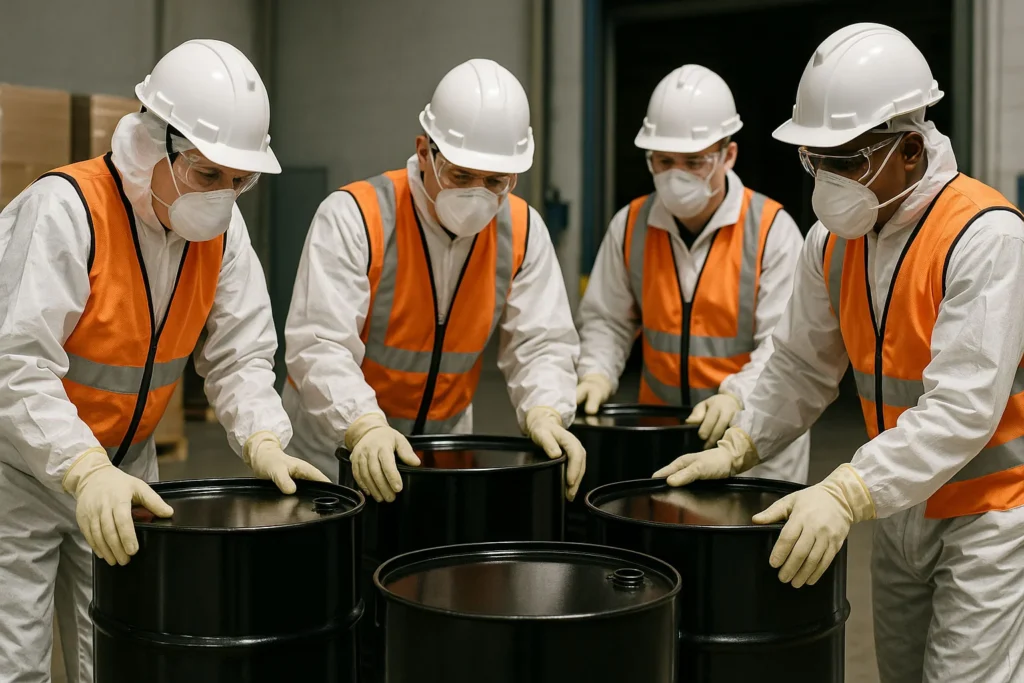
Proper Storage and Handling: As highlighted earlier, preventing contamination of new oil is paramount.
Storage: Store new oil in a clean, dry, indoor environment. Keep containers sealed until use. Use a dedicated lubricant storage area.
Handling: Use dedicated, clean transfer equipment (pumps, hoses, funnels) for each lubricant type. Employ clean practices during all top-up and filling operations. Consider using filtered top-up systems.
Sealing: Ensuring the integrity of seals is vital to prevent the ingress of external contaminants.
Lip Seals, O-Rings, Gaskets: Regularly inspect and replace worn or damaged seals on shafts, housings, and access points.
Rod Wipers: In hydraulic cylinders, ensure rod wipers are in good condition to prevent dirt from being drawn into the cylinder on the retract stroke.
Reservoir Covers: Ensure all reservoir covers and inspection ports are properly sealed.
Oil Analysis (Predictive Maintenance): Regular oil sampling and laboratory analysis are fundamental to any effective contamination control program. They provide early warnings of contamination and machine wear.
Trend Analysis: Tracking parameters over time allows for the detection of gradual increases in contamination or wear, enabling proactive intervention.
Diagnostic Capabilities: Specific tests can identify the type and source of contaminants (e.g., elemental analysis for wear metals, Karl Fischer titration for water).
Cleanliness Targets: Oil analysis helps in verifying if target cleanliness levels are being met and if control measures are effective.
2. Reactive Measures (Removal)
When proactive measures are insufficient or when systems become significantly contaminated, reactive measures are employed to clean the lubricant and the system.
Oil Change: This involves draining the contaminated oil and refilling with fresh, clean lubricant. While effective, it is often a costly solution and does not address the root cause of the contamination. It should be performed based on oil analysis findings or scheduled maintenance, rather than as a primary response to contamination.
Flushing: For systems that have become severely contaminated with sludge, varnish, or wear debris, a flushing procedure may be necessary. This involves circulating a cleaning fluid (either a specialized flushing oil or a compatible base oil) through the system, often at elevated temperatures and with vigorous agitation, to dislodge and suspend contaminants. The flushing fluid is then drained and filtered extensively, or the system is flushed again, before refilling with fresh lubricant. This process requires careful planning to ensure compatibility and prevent the spread of contamination.
Purification: These techniques aim to clean used oil to a usable standard, extending its service life and reducing disposal costs.
Vacuum Dehydration: This process uses vacuum and heat to evaporate water from the oil, effectively removing dissolved and emulsified water. It is highly effective for systems prone to water ingress.
Centrifugation: Centrifuges use centrifugal force to separate contaminants (particles and water) from the oil based on their differing densities. This is particularly useful for removing heavier particles and water.
Fine Filtration: Using specialized filters with very low micron ratings (e.g., 1-3 microns) to remove extremely fine particulate matter. This can be applied in off-line systems or as a final polishing step.
Advanced Monitoring Techniques
To effectively manage lubricant contamination and understand its impact, a suite of advanced monitoring techniques is indispensable. These tools go beyond basic visual checks, providing both quantitative and qualitative data on the lubricant’s condition and the machinery’s health.
Particle Counting: Particle counting is a direct method for measuring both the number and the size of solid particles suspended in a lubricant sample. This analysis is typically performed using automated particle counters that operate on the principles of light extinction or light scattering, enabling rapid and precise evaluation of contamination levels. The results are most often expressed in accordance with established cleanliness standards. One widely used system is ISO 4406, which reports contamination as a three‑part code (e.g., 17/15/12) corresponding to the number of particles greater than or equal to 4, 6, and 14 microns per milliliter of oil, with lower values indicating cleaner oil. Another reference framework is NAS 1638 (National Aerospace Standard), an older but still recognized standard that assigns a cleanliness class number by counting particles within specific size ranges in a 100 ml oil sample; here, too, lower class numbers denote higher cleanliness. Particle counting is a critical practice in the maintenance of hydraulic systems, turbines, and precision machinery, where even small particulate contaminants can lead to accelerated wear, performance degradation, or catastrophic failure.
Spectrometry (Elemental Analysis): This technique identifies and quantifies the elemental composition of the lubricant.
Wear Metals: Measures the concentration of metals such as iron (Fe), chromium (Cr), aluminum (Al), copper (Cu), tin (Sn), and lead (Pb), which are indicative of wear in components made from these materials (e.g., steel gears, aluminum pistons, copper bearings). Elevated levels signal abnormal wear.
Additive Elements: Measures elements that are part of the lubricant’s additive package, such as zinc (Zn), phosphorus (P) (from ZDDP anti-wear additives), calcium (Ca), magnesium (Mg), barium (Ba) (from detergents and dispersants), and molybdenum (Mo) (from anti-wear/friction modifiers). Depletion of these elements indicates additive consumption.
Contaminants: Detects the presence of common contaminants like silicon (Si) (from dirt/dust), sodium (Na) and potassium (K) (often from coolant contamination), and boron (B) (can indicate additive or environmental ingress).
Application: Essential for identifying wear trends, diagnosing wear modes, and detecting contamination from external sources or internal leaks.
Ferrography: Ferrograph analysis is a more advanced technique for assessing wear debris, separating and examining particles according to their size and magnetic properties. In this method, a lubricant sample is passed over a specially designed slide where a magnetic field draws ferrous particles out of suspension and arranges them according to size distribution. The slide is subsequently stained and examined under a microscope, enabling detailed evaluation of the number, size, and morphology of the particles present. This level of examination allows for precise identification of wear mechanisms, such as cutting wear, rolling contact fatigue, surface fatigue, or severe wear, providing critical insights into the origin and nature of machine distress.
Viscosity Measurement: Viscosity, a primary measure of a fluid’s resistance to flow, is a fundamental property for effective lubrication and is typically determined using a viscometer at standardized temperatures, such as 40 °C or 100 °C. Its value can be significantly altered by contamination: fuel or solvent dilution markedly lowers viscosity, compromising the lubricant’s load-carrying film; oxidation and polymerization reactions can increase viscosity through the formation of larger molecular structures; and water contamination may cause slight reductions in viscosity. Monitoring this parameter is essential to confirm that a lubricant remains within its operational specifications and to identify signs of dilution or thickening that may indicate degradation or contamination.
Acid Number (AN) and Base Number (BN) Tests: These tests quantify the acidic and alkaline properties of the oil, respectively.
Acid Number (AN)/Total Acid Number (TAN): Measures the concentration of acidic compounds in the oil, which are primarily by-products of oxidation. An increasing AN indicates lubricant degradation. Used primarily for industrial oils.
Base Number (BN)/Total Base Number (TBN): Measures the remaining alkaline reserve in the oil, which is used to neutralize the acidic by-products of combustion and oxidation. A decreasing BN indicates that the oil’s ability to neutralize acids is being consumed. This is crucial for engine oils.
Application: Vital for monitoring the effectiveness of the lubricant’s antioxidant and acid-neutralizing additives and for assessing the extent of oil degradation.
Karl Fischer Titration: The Karl Fischer titration is a highly accurate chemical method for quantifying the water content in a lubricant sample. Renowned for its exceptional sensitivity, it can detect moisture levels in the parts-per-million (ppm) range, making it suitable for identifying even trace amounts of water. This precision is particularly valuable in systems where water contamination can lead to severe performance or safety issues, such as turbines, hydraulic systems, and high-precision gearboxes.
Best Practices for Contamination Management
Implementing a successful and sustainable contamination management program requires a systematic approach that integrates various elements of maintenance and operational procedures. It’s not just about having the right equipment; it’s about establishing the right culture and processes.
Establishing Cleanliness Targets: This is the foundational step. Without a defined goal, it’s impossible to measure success.
Define Acceptable Levels: For each critical piece of equipment or fluid system, determine the maximum acceptable level of contamination. This is often expressed using ISO cleanliness codes for particulates and specific ppm values for water.
Equipment Sensitivity: These targets must be based on the sensitivity of the machinery. High-precision hydraulic systems, for example, will have much tighter cleanliness requirements than a simple circulating oil system for a gearbox. Equipment manufacturers often provide recommended levels of cleanliness.
Documentation: Clearly document these targets in maintenance procedures and machine specifications.
Regular Sampling and Analysis: A consistent and representative oil sampling program is the backbone of proactive contamination control and condition monitoring.
Representative Sampling: Ensure samples are taken from a representative location in the system (e.g., under pressure, before filters, if possible) using clean sampling techniques. Avoid taking samples from the bottom of a reservoir or from drain plugs, as these may not reflect the bulk fluid.
Frequency: The frequency of sampling should be based on the criticality of the equipment, the operating environment, and the historical performance of the lubricant and machinery. Critical equipment may be sampled monthly or quarterly, while less critical assets might be sampled semi-annually or annually.
Timely Analysis: Ensure samples are sent to a reputable laboratory promptly and that results are received and acted upon on time.
Trend Analysis: Focus on tracking trends of key parameters over time rather than just isolated readings. This allows for early detection of developing problems.
Training Personnel: Human error is a significant contributor to contamination. Comprehensive training is crucial for all personnel involved in lubrication.
Awareness: Educate all maintenance and operations staff about the causes, impacts, and consequences of lubricant contamination.
Best Practices: Train personnel on proper lubricant storage, handling, transfer, and top-up procedures. Emphasize the importance of cleanliness during all maintenance activities.
Sampling Techniques: Provide hands-on training on correct oil sampling procedures to ensure sample integrity.
Filter Management: Train staff on filter selection, proper installation, and disposal.
Implementing Robust Maintenance Schedules: Contamination control activities must be integrated into the overall maintenance planning and execution.
Preventive Maintenance: Schedule regular inspections of seals, breathers, and visual checks of oil clarity. Include filter changes as part of preventive maintenance schedules, ideally informed by oil analysis.
Predictive Maintenance: Utilize oil analysis data to schedule interventions proactively, before failure occurs.
Lubrication Program: Develop a comprehensive lubrication program that specifies the correct lubricants, application methods, and frequencies.
Root Cause Analysis (RCA): When contamination issues arise, particularly recurring ones, it is essential to conduct a thorough RCA to identify the underlying cause.
Investigate: Don’t just address the symptom (e.g., changing a filter). Investigate why the contamination occurred. Was it a faulty seal, poor handling, environmental ingress, or a system design issue?
Corrective Actions: Implement permanent corrective actions to prevent recurrence. This might involve upgrading seals, installing desiccant breathers, improving storage facilities, or revising maintenance procedures.
Continuous Improvement: RCA should be viewed as an opportunity for continuous improvement of the contamination control program.

🌍 Looking to understand global oil standards?
Learn how international benchmarks for industrial oils shape efficiency, safety, and reliability in today’s industry.
Read the full article: Global Standards for Industrial Oils and Their Importance in Modern Industry
Conclusion
Lubricant contamination is a common yet often overlooked issue in industrial settings. It silently degrades machinery performance, increases wear, and can lead to costly unplanned downtime and premature component failure. To mitigate these risks, organizations can adopt a proactive approach to contamination control. Utilizing advanced monitoring techniques, like particle counting, elemental analysis, and Karl Fischer titration, provides critical data for assessing lubricant condition and detecting problems early. Implementing best practices, like setting cleanliness targets, regular oil analyses, training staff, and root cause analysis, creates a strong defense against contamination.
Frequently Asked Questions – Lubricant Contamination
It’s when unwanted substances mix with the lubricant, reducing its ability to protect and support machinery.
Because it speeds up wear, causes overheating, and can lead to unexpected breakdowns.
Through worn seals, dirty handling, environmental dust, or internal wear debris.
No. Small amounts dissolve and stay invisible but still harm the lubricant and components over time.
Aeration is air dissolved in the oil; foaming creates visible bubbles that reduce lubrication quality.
Yes. Techniques like fine filtration, centrifugation, and vacuum dehydration can restore oil quality.
It depends on equipment criticality—anywhere from monthly for vital systems to annually for low-risk units.
Use clean, dedicated tools for oil transfer and install high-quality breathers to block dust and moisture.
no comment