 Home
Home Products
 About Us
 Contact Us
Detergent
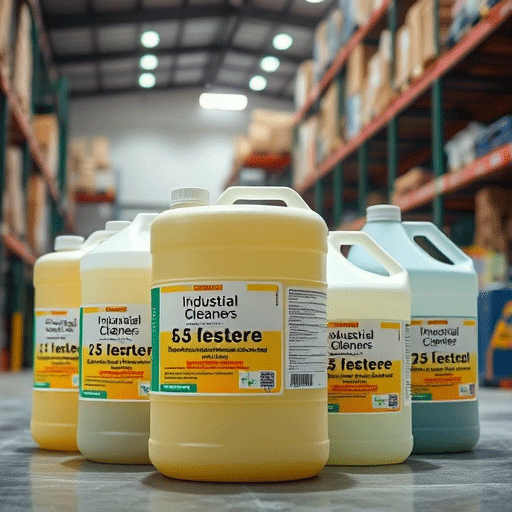
Our best services and products are at your disposal. For more information or to place an order, just click the button below right now and take the first step!
Detergent
Share This Product:
Product Introduction
Cleaning is an inseparable part of daily life and is critically important for maintaining health, safety, and aesthetics in homes, workplaces, and public spaces. At the heart of most cleaning activities is a substance called detergent—a chemical agent designed to remove unwanted dirt, stains, and microbes from surfaces and fabrics.
What is a detergent?
A detergent is a surfactant (surface-active agent) or a mixture of surfactants that exhibits cleaning properties in diluted solutions. Unlike traditional soaps, which are mainly derived from natural sources, detergents are mostly produced synthetically and can be formulated for specific needs. The main function of detergents is to break down grease and dirt and suspend them in water for easier washing.
Detergents reduce the surface tension between water and other materials, making it easier to separate contaminants. A detergent molecule usually has two active sides: a hydrophilic (water-attracting) head and a hydrophobic (water-repelling) tail. This feature allows one end of the molecule to bond with water while the other attaches to grease and dirt, effectively lifting contaminants off the surface and keeping them suspended in water until they are rinsed away.
Types of Detergents:
Detergents come in a variety of forms, each suitable for specific applications:
– Anionic Detergents
These detergents have a negative ion and are very effective at removing dirt; they are mainly used in household cleaners, laundry powders, and dishwashing liquids. A common example is sodium lauryl sulfate.
– Cationic Detergents
Containing positive ions, these detergents are less commonly used for cleaning but are quite useful as fabric softeners and disinfectants due to their ability to destroy microbial cell walls.
– Nonionic Detergents
These are electrically neutral, milder, and produce less foam. They are particularly effective at removing oily residues and are commonly used in industrial cleaning and for hard surfaces.
– Amphoteric Detergents
Depending on their environment, amphoteric detergents can act as either acids or bases. They are primarily used in personal care products because of their mild and non-irritating properties.
– Specialty Detergents
Some detergents are specially formulated for unique applications: enzyme detergents for protein stain removal, low-foam detergents for use in machines, or eco-friendly detergents with biodegradable ingredients.
Applications of Detergents:
Detergents play a crucial role in various fields, such as:
– Household cleaning: For laundry, dishes, bathrooms, and general surface cleaning.
– Industrial: Machines, floors, vehicles, and production surfaces require powerful detergents capable of removing heavy contamination, grease, and industrial pollutants.
– Healthcare: In these environments, detergents must combine cleaning efficiency with antimicrobial properties to prevent infections.
– Food Industry: Both cleaning and disinfection are critical in kitchens and dining areas, requiring formulations that are safe for food contact and particularly effective.
– Automotive and Transportation: Specialized detergents break down and remove oil and contaminants from surfaces like car bodies and engines.
Scrubber Machine
Maintaining a clean and sanitary environment in commercial complexes, urban buildings, or industrial facilities is of great importance, often requiring a scrubber machine. A scrubber is a floor cleaning machine that uses brushes, pads, water, and cleaning solutions to wash surfaces while simultaneously collecting and drying dirty water. To maximize the machine’s efficiency, choosing the right cleaning solution for the intended task is essential.
However, selecting from the vast array of specialized cleaning chemicals can be challenging. From detergents and degreasers to disinfectants and descalers, each chemical has a unique role and must be carefully chosen based on the type of surface and cleaning requirements. Using the wrong chemical can damage the surface or result in poor cleaning outcomes.
Components of a Scrubber:
– Solution tank: Holds clean water and detergent.
– Brush or pad: Removes contamination from surfaces with rotating motions.
– Vacuum system: Collects dirty water for rapid drying of the surface.
– Collection tank: Stores dirty water for later disposal.
Advantages of Scrubbers:
– Increased speed: Cleans large areas quickly and efficiently.
– Uniformity: Delivers consistent and reliable results.
– Safety: Instant surface drying prevents slips and falls.
Choosing the right detergent for a scrubber is very important. The wrong choice can damage the device or surface or yield poor results. Key considerations include:
1-Type of surface:
– Hard surfaces (tile, concrete): Require alkaline detergents for removing grease and dirt.
– Delicate surfaces (marble, natural stone): Need neutral pH detergents to prevent corrosion or discoloration.
– Coated surfaces (waxed, laminated): Should be cleaned with detergents that do not strip or dull the finish.
2-Type of contamination:
– Grease and oil: Require strong alkaline detergents or degreasers.
– Dust: Mild neutral or slightly alkaline detergents.
– Microbial contamination: Combined detergent-disinfectants, especially for hospitals.
3-Machine compatibility:
– Low foam: Excessive foam can hinder operation and damage the scrubber’s vacuum system.
– Non-corrosive: To protect internal parts and prolong machine life.
4-Health and environment:
– Prefer eco-friendly and non-toxic formulas to reduce harm to operators and the environment.
– Biodegradable options are preferable to minimize water pollution.
Detergents are the main foundation of modern cleaning, offering effective solutions for removing contamination, stains, and microbes from various surfaces. The wide variety, including anionic, cationic, nonionic, and specialty detergents, allows optimized cleaning processes tailored to specific situations.
Effective cleaning depends on matching the right chemical detergent with the specific surface and cleaning equipment. Choosing a detergent is not just a technical decision but an important step for health, safety, and the longevity and sustainability of surfaces and equipment.
Eriss Kimia Pars Company is a manufacturer of detergents suitable for cleaning various types of surfaces and also for use in scrubber machines. For more information about the products of Eriss Kimia Pars Company, you can visit the company website or contact our experts. Our specialists will provide you with precise guidance to help you choose high-quality products that meet your needs.
Product Features
- High Cleaning Power: Effectively removes heavy grease, oil, and persistent stains from various surfaces.
- Low-Foaming Formula: Specially designed for use in scrubber machines, ensuring efficient operation without excess foam.
- Safe for Multiple Surfaces: Compatible with hard, delicate, or coated surfaces without causing damage or dullness.
- Non-Corrosive and Machine-Friendly: Protects internal parts of cleaning equipment, prolonging machine lifespan.
- Eco-Friendly & Biodegradable: Made from ingredients that are safe for the environment and easily biodegradable.
- Fast and Efficient Cleaning: Delivers quick results without the need for repeated cleaning cycles.
- Ideal for Industrial and Commercial Use: Suitable for factories, workshops, hospitals, kitchens, and public areas.
Proper Storage Guide for Industrial Detergent
Industrial detergent is a powerful cleaning solution designed for tough industrial and commercial environments. To maintain its effectiveness and ensure user safety, it is essential to follow best practices for storing industrial detergent. Proper storage extends product shelf life, maintains its chemical properties, and prevents accidents.
Firstly, always store industrial detergent in its original, tightly sealed container. This prevents contamination, evaporation, or accidental chemical reactions. The storage area should be cool, dry, and well-ventilated to avoid moisture buildup and the growth of bacteria or mold. Direct sunlight should be avoided, as high temperatures and UV rays can alter the composition of the industrial detergent.
Keep the product away from food, beverages, and animal feed to prevent any risk of accidental contamination. Industrial detergents must never be stored together with incompatible chemicals, such as strong acids, bases, or oxidizers, as this can cause dangerous reactions. Always read the label for information on substances that should not be mixed or stored near the product.
Make sure to store industrial detergent at a stable temperature, ideally between 5°C and 35°C. Avoid freezing and do not expose the containers to excessive heat. Freezing can change the texture and reduce the efficiency of the detergent, while heat can increase the risk of leaks or container rupture.
All storage areas should be clearly labeled, organized, and restricted to authorized personnel only. Keep industrial detergent out of reach of children and animals. Regularly inspect containers for signs of leaks, damage, or degradation. Empty or damaged containers should be disposed of following local safety and environmental regulations.
By following these guidelines, you ensure that your industrial detergent remains safe, effective, and ready for use whenever needed, supporting reliable cleaning processes in all settings.
Packaging
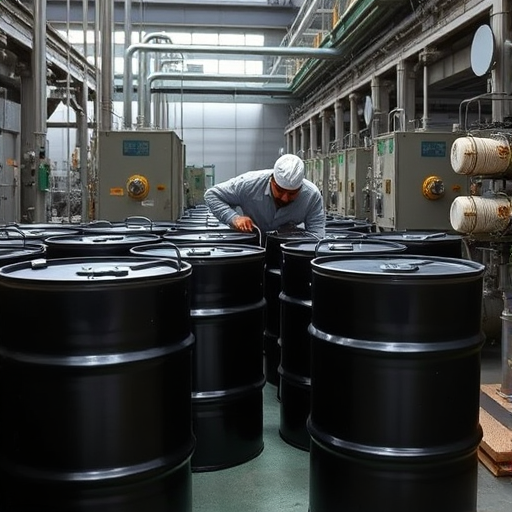
Industrial detergents are packaged and supplied in standard 208-liter drums.